My Book Is Ready for Preorder!

You can preorder my book from the UNC Press HERE or scan the QR code below:

 |
| Southern Appalachian Sheep Fly |
I'll be giving a talk at Maryville College about Southern Appalachian stories and my book - Tight Lines and Tall Tales - for the Outdoors Expo, a weekend-long event held in conjunction with the University of Tennessee. I'll be speaking on September 20 in the evening. If you're local, I look forward to seeing you there!

My book, Tight Lines and Tall Tales: Stories of Southern Appalachian Fly Fishing, will feature illustrations and cover art by fly fishing guide and artist, Ian Rutter. You can learn more about Ian's art at his website.

I'm excited to announce that the University of North Carolina Press will be releasing my book Tight Lines and Tall Tales: Stories of Southern Appalachian Fly Fishing in March 2026!
Look for more information to come!

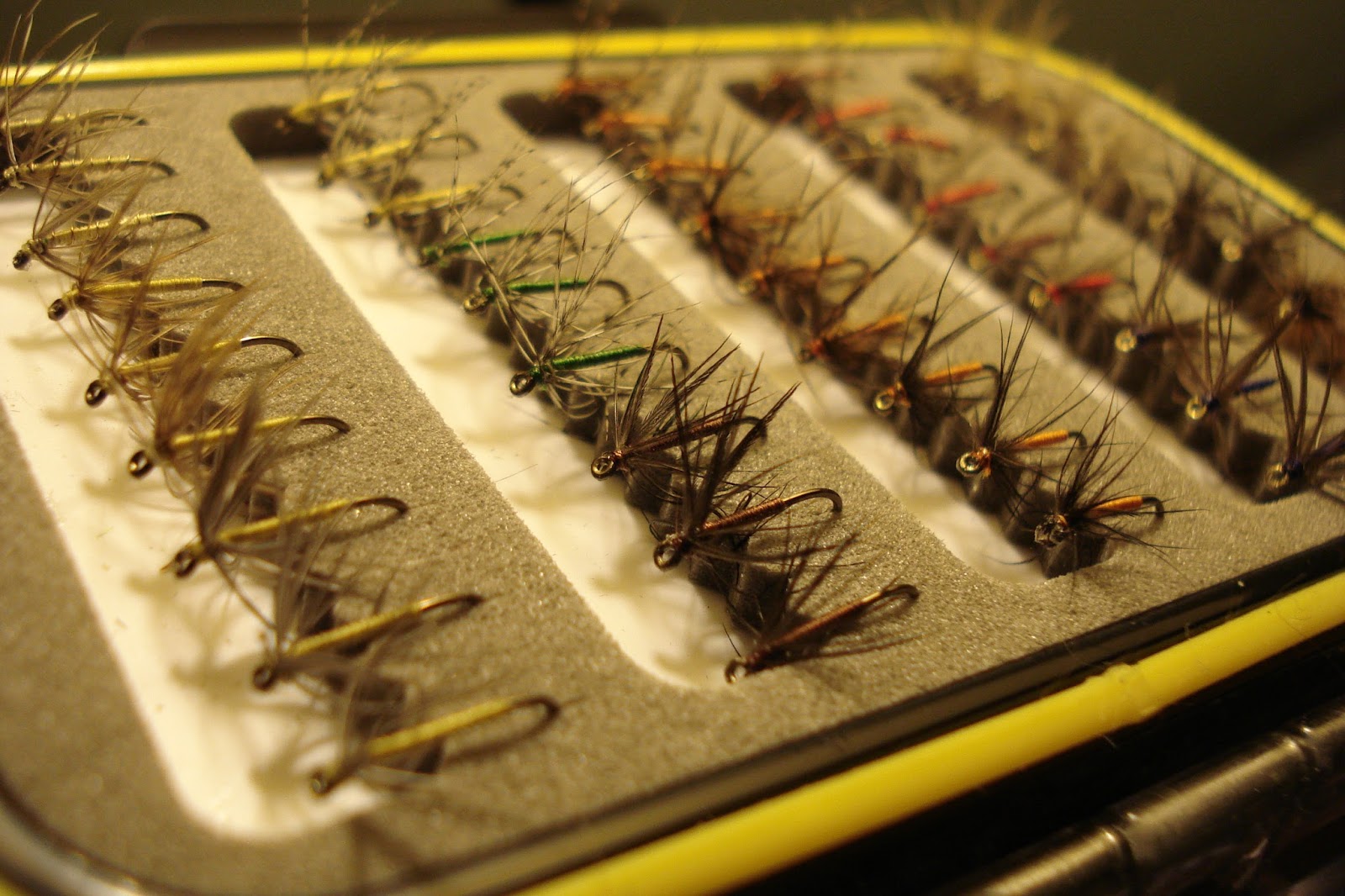
1. Dark
Snipe and Purple - Lakeland, Brumfitt, Pritt
|
||
Hook:
|
16-18
|
|
Silk:
|
Purple
silk
|
|
(Rib:
|
Extra
small wine colored wire, optional)
|
|
Body:
|
Tying silk
|
|
Hackle:
|
Snipe
covert (or smoky dun starling rump)
|
|
2. Waterhen
Bloa - Pritt, Edmonds and Lee
|
||
Hook:
|
14-16
|
|
Silk:
|
Yellow
silk
|
|
Body:
|
Muskrat or mole dubbed thinly on tying silk so that tying silk shows through distinctly
|
|
Hackle:
|
Waterhen
undercovert (coot undercovert)
|
|
3. Iron
Blue Dun - Hidy
|
||
Hook:
|
14-18
|
|
Silk:
|
Red silk
|
|
(Rib:
|
Extra
small wine colored wire, optional)
|
|
Body:
|
Dark mole
fur spun on red silk to form a taper toward the hackle, with two or three
turns exposed at the tail
|
|
Hackle:
|
Starling
(smoky dun starling rump or crow covert)
|
|
4. March
Brown - Nemes
|
||
Hook:
|
10-14
|
|
Silk:
|
Orange silk
(or yellow)
|
|
Tail:
|
Brown
Partridge (optional)
|
|
Rib:
|
Extra
small flat gold tinsel (or medium gold wire)
|
|
Body:
|
Hare’s
mask mixed with hare’s ear (or brownish rabbit shoulder mixed with hare’s
mask)
|
|
Hackle:
|
Brown
partridge (two-and-half turns, so that slightly more hackle is situated on top of the
hook shank, the vaguest suggestion of winging)
|
|
5. Pheasant
Tail - Nemes
|
||
Hook:
|
16-22
|
|
Silk:
|
Dark brown
thread (burnt orange, olive dun,
purple, etc. - matched to the thorax)
|
|
Tail:
|
Pheasant
tail tips, optional
|
|
Rib:
|
Extra
small copper wire (or gold, with olive thread)
|
|
Body:
|
Pheasant
tail
|
|
(Thorax:
|
Sulfur,
olive, purple, etc. superfine dubbing - matched to the thread)
|
|
Hackle:
|
Brown
partridge
|
|
6. Light
Snipe and Yellow - Leisenring
|
||
Hook:
|
14-16
|
|
Silk:
|
Primrose
thread
|
|
Rib:
|
Small gold
wire
|
|
Body:
|
Primrose silk
buttonhole twist (Coats and Clark’s 72-A baby yellow, size D, for preference)
|
|
Hackle:
|
Snipe
undercovert
|
|
7. Black
Spider - Baillie, Stewart
|
||
Hook:
|
16-20
|
|
Thread:
|
Dark brown
thread
|
|
Body/
Hackle:
|
Starling
twisted on brown silk and palmered toward the eye of the hook (or waxed red or claret silk)
|
|
8. Grouse
and Orange - Woolley, Nemes
|
||
Hook:
|
12-18
|
|
Silk:
|
Orange
silk
|
|
Body:
|
Tying silk
|
|
Thorax:
|
Dark
hare’s ear, optional (Nemes’ addition)
|
|
Hackle:
|
Speckled-brown
red grouse covert
|
|
Tip:
|
Flat gold
tinsel, optional (popular in earlier incarnations of the pattern)
|
|
9. Brown or Gray
Hackle - Leisenring
|
||
Hook:
|
10-16
|
|
Silk:
|
Wine silk (or wine thread) or primrose
silk (or primrose thread)
|
|
Rib:
|
Extra
small flat gold tinsel, slightly tipping the herl body
|
|
Body:
|
Bronzy
peacock herl
|
|
Hackle:
|
Red furnace or pale
ginger furnace - matched to the corresponding silk/thread color
|
|
10. Orange
Flie - Cotton
|
||
Hook:
|
14-18
|
|
Silk:
|
Orange
silk (or gold)
|
|
Body:
|
Orange
wool (burnt orange angora goat)
|
|
Hackle:
|
Black
hackle (webby American crow neck or, for different parts of the season, starling back, nearer the rump)
|
|
11. Rough-Bodied
Poult - Edmonds and Lee
|
||
Hook:
|
14-18
|
|
Silk:
|
Primrose
silk
|
|
Body:
|
Buff
opossum fur dubbed thinly on tying silk so that tying silk shows through
distinctly
|
|
Hackle:
|
Young
grouse undercovert (bobwhite quail undercovert or, for a lighter fly,
mourning dove undercovert)
|
|
12. Red
Fox Squirrel Nymph - Whitlock
|
||
Hook:
|
8-16
|
|
Silk:
|
Orange
thread
|
|
Tail:
|
Red fox
squirrel back fur, optional
|
|
Rib:
|
Gold twist
(medium gold wire or small flat gold tinsel)
|
|
Abdomen:
|
Red fox
squirrel belly fur
|
|
Thorax:
|
Red fox
squirrel back fur
|
|
Hackle:
|
Brown
speckled hen, mottled red grouse covert, or brown partridge back
|
|
13. Gray
Hackle Red - Hughes
|
||
Hook:
|
10-16
|
|
Thread:
|
Black
|
|
Tip:
|
Small flat
gold tinsel
|
|
Tail:
|
Bright,
dyed-red hackle fibers
|
|
(Rib:
|
Extra
small copper wire, reverse-ribbed)
|
|
Body:
|
Bronzy
peacock herl
|
|
Hackle:
|
Stiffer, darker grizzly
hen (two turns, no longer than the gold tip)
|

 |
| Rather than using “dingy-orange worsted wool” for the body, this dressing uses orange hare’s mask to give the body a slightly scragglier look. It also substitutes a ginger hackles for honey dun and a braided tinsel that seats more deeply and securely in the hare's mask body than the prescribed flat tinsel. Braided tinsel aligns with earlier precedents. |
Hook:
|
12-14
|
|
Thread:
|
Rust brown
|
|
Rib:
|
Peacock herl
|
|
Rib 2:
|
Vintage, fine gold twist wound along front edge
of peacock herl rib
|
|
Palmer:
|
Ginger cock hackle slightly smaller than front
hackle
|
|
Body:
|
Orange hare’s mask
|
|
Hackle:
|
Ginger cock hackle with a faint, medium dun list,
slightly larger than the palmer hackle
|
|
James Leisenring includes the Doctor Lyte Palmer
in The Art of Tying the Wet Fly & Fishing the Flymph (1941)
that he has “found at times very deadly.” It was originally dressed by one of
his “fishing companions, an expert flytier, Dr. H. W. Lyte of Allentown,
Pennsylvania.”
Leisenring's dressing of the Doctor Lyte Palmer calls for:
“HOOK 13,14
SILK Orange.
HACKLE Pure honey
dun of rich color and medium stiffness—two turns.
RIB Fine peacock
herl of the sword feather—one of the very long, thin fibers.
RIB #2 Very narrow
gold tinsel wound right alongside of the peacock herl rib and in front of it.
RIBBING HACKLE
Pure honey dun hackle slightly smaller than the front hackle.
BODY Dingy-orange
worsted wool.”
Sylvester Nemes leaves Doctor Lyte Palmer out of
the dressings he included in his coverage of Leisenring’s Art of Tying the Wet Fly from his Two
Centuries of Soft-Hackled Flies (2004), but it is likely the sort of fly Joe Humphrey had in mind in
his phenomenal textbook, Trout Tactics (1981), in his
observations on fishing the wet fly, particularly in his Pennsylvania
limestone home waters: “When caddies hatches are heavy in April or
early May, try this: fish only heavy, broken pocket water—forget the flats.
Use a short line and work downstream and fish only the pockets in behind
boulders and breaks. Use a well-dress palmered #10 or #8 wet fly, and bounce
the flies in the pockets. A long rod of nine feet or better can be an
advantage when trying to hold wet flies in one specific area. Heavy riffs or
currents push through the middle of a line and drag your flies out of
productive water at edges of the currents. The trout never get a good look at
your fly or refuse them as they drag; a longer rod can hold them there since
there is less line on the water.”
Leisenring’s Doctor Lyte Palmer recalls one of
the four palmer flies, the Golden Palmer, that Richard Bowlker included in his
1757 edition of The Art of Angling,
but which his son Charles excluded from his own 1774 edition: “His body is
made of orange-coloured silk, ribbed down with a peacock’s harle and gold
twist, with the red hackle of a cock wrapt over the body: The hook, No. 5, or
6, according to the water you fish in.”
|
 |
| This dressing substitutes American woodcock undercovert for landrail undercovert. It is dressed more heavily to align it with William Blacker's Red Palmer Fly, which T. E. Pritt lists as a precedent. It finishes the fly in front of the head rather than behind it. |
Hook:
|
14-18
|
|
Thread:
|
Orange
|
|
Body:
|
Orange silk
|
|
Hackle:
|
American woodcock undercovert
|
|
Head:
|
Peacock herl
|
|
Two distinct strains of dressing the Thornfly
Dun seem to exist. Drawing the connection between these two pattern groups makes two assumptions: first, that the name Thornfly (in whatever form) corresponding with a hatching period beginning in late May or early June correlates different representations; second, that these dressings are, as the name dun often seems to distinguish, caddis or sedge flies. The more popular dressings exhibit a general orange-red
cast in the bodies, hackles, and heads. They have much in common with the Light Dun that Michael Theakston describes in his List of Natural Flies (1843). However, many of the dressings also emphasize a darker overall color,
with purplish black bodies and darker dun-colored hackles. Dressings for this
June hatch have more in common with the Silverhorns sedge that Alfred Ronalds
lists for June fishing in The
Fly-fisher’s Entomology (1837).
In the former category is the Thornfly Dun, no.
49, that T. E. Pritt includes in Yorkshire
Trout Flies (1885) and its 1886 reworking, North-Country Flies:
“Wings.—Hackled with a Landrail’s feather, taken from under the
wing.
Body.—Orange silk.
Head.—Peacock herl.”
Pritt notes that the Thornfly Dun is “a very
excellent fly in a good bold brown water on warm days in summer, from June
onwards. It is a variation of No. 5 [the Brown Owl], and equally useful.
Dressed with a redder feather it is the same fly as that known as Blacker’s
Red.” After Pritt, Harfield Edmonds and Norman Lee seem to offer two
variations on the Thornfly Dun for June sedge dressings. They recommend, like
Pritt, their Dark and Light Sedges for fishing from the “middle of June to the
end of the season.”
Despite the reference to Blacker, Pritt’s Thornfly
Dun seems more aligned to manuscript dressings like Large Thorn Fly Dun
recorded by Jonathan Pickard in 1820 and printed by Robert L. Smith in The North Country Fly: Yorkshire’s Soft
Hackle Tradition (2015): “Orange
silk, peacock harl in the head feather from the inside of a landrail’s wing.”
Smith also prints another 1820 list by William Robinson with an almost
identical dressing for the Thorn Dun Larger or Landrail Dun.
|
 |
| This dressing uses gold Pearsall’s gossamer silk, substitutes a mixture of ginger antron and orange acrylic for orange mohair, and applies gold twist rather than tinsel. |
Pritt’s attribution to Blacker’s Red is
presumably to the Red Palmer Fly that William Blacker includes in his Art of Angling (1843). The color
scheme falls into the tawny category, essentially the same as Pritt’s Thornfly Dun, except that Blacker's fly is
dressed as a palmer:
“Hook ff.—Body, Red or
orange mohair, with gold twist or tinsel up the body.
Legs, Two red hackles,
wound on from the tail up to the head, in rotation with the tinsel.”
Blacker’s Red Palmer is the same as the Red
Palmer that John Kirkbride includes in his Northern Angler (1837), except that Kirkbride recommends occasionally using gold wire as a rib.
|
 |
| This dress of James Chetham's Thorn-Fly dresses a winged fly into a soft hackle, using dove covert for the light gray mallard's wing. It uses a mixture of black antron and raw Black Welsh Mountain wool for lamb’s wool. |
In the latter, darker category of Thornfly
dressings is James Chetham’s Thorn-Fly. In his Angler’s Vade
Mecum (1681), Cheatham includes “Another Catalogue,
of Flies, practiced by a very good angler,” in addition to the list he
reprints from The Complete Angler (1657,
1676), that includes the Thorn-fly as the first choice for May. Chetham’s
dressing calls for a “Dubbing of Black Lambs Wooll, and Dub’d with Black
Silk, Wings of a Mallards light Grey; Note that all the Feathers got from
Mallards for Wings, ought be got from a wild Mallard, and not from a tame
one.” Stephen Braithwaite maintained a manuscript fly list, which includes a
Thorn Fly dressed like Chetham’s, that Robert L. Smith reprints.
Chetham’s early dressing seems to provide a
precedent for the Alfred Ronalds’s Silverhorns a century and a half later.
Ronalds notes that the Silverhorns “is extremely abundant upon some waters, and
is well taken both by the Trout and Grayling until the end of August throughout
the day, and principally in showery weather. The figure represents the female.
The male has black horns.*
IMITATION.
Body. Black ostrich herl
tied with black silk, and dressed off.
Wings. Feather from a wing
of the cock blackbird.
Legs. Small black cock's
hackle.
Horns. Grey feather of the
mallard.
To make it buzz, the body is ribbed with silver twist
upon the black ostrich herl, and a black hackle wrapped all down.
* There is a variety upon
some waters, which has a very shining highly polished jet-black wing.”
|

